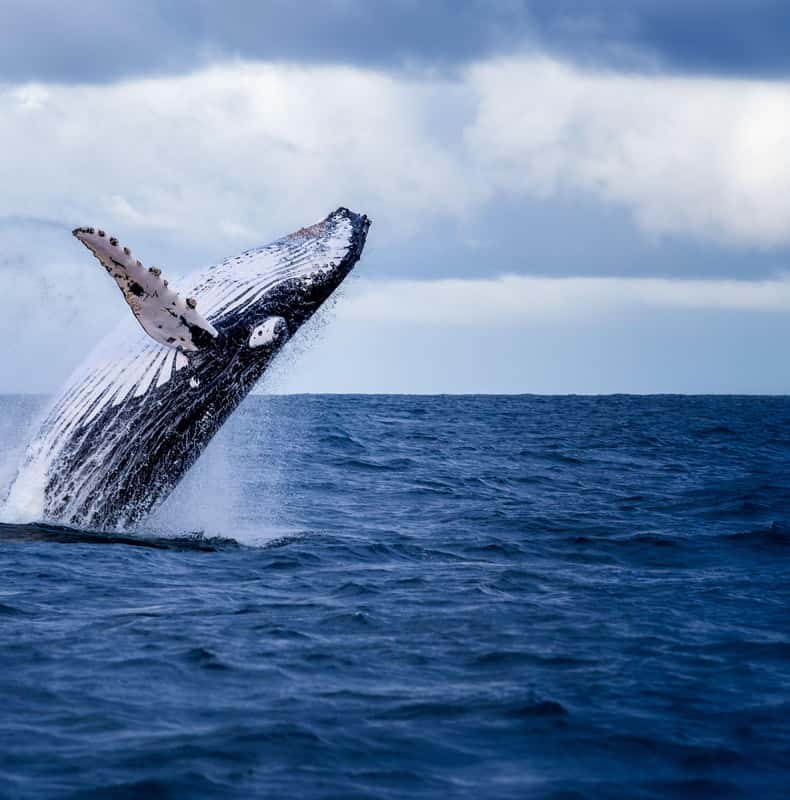
Akureyri: Whale Watching Shore Excursions
Two and a half hours from the town-centre harbour with warm overalls, heated indoor seating, and a second-chance ticket if you see no whales.
From $103 per person
Check AvailabilityAkureyri weather decides whether a boat sails and whether a road is open, not just how warm you are. The figures below are the Icelandic Met Office’s 1961 to 1990 averages for the Akureyri station. If you are matching a month to a trip, the Akureyri northern lights tour and the whale boats both run on their own seasons.
The boats cancel for sea state, not for cold. When the operator calls a sailing off, you are offered another date or your money back, sometimes at short notice. So put the whale boat early in your stay, and leave a spare day behind it.
The wind on the fjord is the thing to dress for. The boats hand out warm overalls, but one Húsavík RIB leaves gloves and hats out of its kit, so bring your own. On land, the paths at the waterfalls ice over from late autumn to spring, and the paved road on the west side of Dettifoss is not in winter service from January until the beginning of April.
The aurora needs dark and clear. Cloud, not cold, is what ruins a northern lights night, and from May to August it never gets dark enough. Recent decades run warmer than the table: the Met Office puts the 1991 to 2020 annual mean at about 4 °C, against 3.2 on this record.
Every whale fare cancels free up to 24 hours before, and the operators rebook or refund when they cancel for weather.
You can expect highs of 1 °C and lows of −6 °C. About 55 mm of rain or snow falls, on 11 days of 1 mm or more, and you get about 7 hours of sun. The aurora season is at its darkest here. The paved road on the west side of Dettifoss is not in winter service, so plan the lake and Goðafoss instead.
You can expect highs of 2 °C and lows of −5 °C. About 42 mm of rain or snow falls, on 8 days of 1 mm or more, and you get about 36 hours of sun. The light comes back fast, and sunshine goes up five times on January. Ice on the paths at the falls is still the thing to plan for.
You can expect highs of 2 °C and lows of −4 °C. About 43 mm of rain or snow falls, on 10 days of 1 mm or more, and you get about 77 hours of sun. Still winter on the ground: the Met Office logged −19.3 °C in town on 12 March 2023. Clear, cold nights are good aurora nights.
You can expect highs of 5 °C and lows of −2 °C. About 29 mm of rain or snow falls, on 6 days of 1 mm or more, and you get about 130 hours of sun. The western Dettifoss road comes back into service early in the month, and the puffins arrive from mid-April. The aurora season ends with it.
You can expect highs of 10 °C and lows of 2 °C. About 19 mm of rain or snow falls, on 5 days of 1 mm or more, and you get about 174 hours of sun. The driest month on the record. The food walk starts in mid-May, the 4x4 Dettifoss day runs from the 18th, and the cruise ships begin to call.
You can expect highs of 13 °C and lows of 6 °C. About 28 mm of rain or snow falls, on 6 days of 1 mm or more, and you get about 177 hours of sun. The sunniest month, and close to 24 hours of daylight around the solstice. You can sail, walk and swim at any hour, with no aurora at all.
You can expect highs of 14 °C and lows of 8 °C. About 33 mm of rain or snow falls, on 7 days of 1 mm or more, and you get about 158 hours of sun. The warmest month on the record, but a cold wind still crosses the fjord. Take the layers the boats hand out and wear them.
You can expect highs of 14 °C and lows of 7 °C. About 34 mm of rain or snow falls, on 7 days of 1 mm or more, and you get about 136 hours of sun. The puffin trips stop in mid-August. The Met Office logged 24.3 °C in town on 25 August 2023, the warmest day of that year.
You can expect highs of 10 °C and lows of 4 °C. About 39 mm of rain or snow falls, on 8 days of 1 mm or more, and you get about 85 hours of sun. The aurora season opens again, and the cruise season closes. In 2023 more than half of the summer’s rain fell here in September.
You can expect highs of 6 °C and lows of 0 °C. About 58 mm of rain or snow falls, on 11 days of 1 mm or more, and you get about 52 hours of sun. The wettest month on the record. The tourist desk at Hof closes on the 16th, and the 4x4 Dettifoss day runs to the 31st.
You can expect highs of 3 °C and lows of −4 °C. About 54 mm of rain or snow falls, on 11 days of 1 mm or more, and you get about 15 hours of sun. Short days and long aurora nights. Expect ice on the roads east, and check the conditions before any drive to the lake.
You can expect highs of 1 °C and lows of −5 °C. About 53 mm of rain or snow falls, on 11 days of 1 mm or more, and you get no hours of sun. The record gives December no sunshine at all: the sun stays behind the mountains. The lagoon stays open, lit, and warm.
| Season | Average high | Average low | Rain or snow a month | Sun a month |
|---|---|---|---|---|
| Winter: December to February | 1 °C | −5 °C | About 50 mm | About 14 hours |
| Spring: March to May | 6 °C | −1 °C | About 31 mm | About 127 hours |
| Summer: June to August | 14 °C | 7 °C | About 32 mm | About 157 hours |
| Autumn: September to November | 6 °C | 0 °C | About 50 mm | About 51 hours |
Summer is what most people want: long light, the mildest air and the puffins. It is also when the ships are in, so book the small boats ahead. Spring is the driest season here, and May is the driest month.
Autumn and winter are the aurora months, and the wettest. Autumn carries the most rain and snow of the four seasons, just ahead of winter, which has the shortest days. Come for the lights, the lagoon and the snow, and keep the long road trips flexible.
Daylight swings harder here than anywhere you are likely to have come from. It shapes the aurora, the boats and the road trips more than the temperature does.
| When | Daylight | Sunshine that month, on the record |
|---|---|---|
| Around 21 June | Close to 24 hours | About 177 hours |
| Around the March equinox | About 12 hours | About 77 hours |
| Around the September equinox | About 12 hours | About 85 hours |
| Late December | A few hours | None: the sun stays behind the mountains |
In summer, time does not matter much: there is light at midnight. Put the whale boat first, so a cancelled sailing leaves you days to rebook, and the lagoon last: it is open until midnight.
In winter, work round the light. Do the drives and the waterfalls in the middle of the day, and keep the evening for the lagoon or the aurora. The northern lights hunt leaves after dark and brings you back to town late.
Every monthly temperature, rainfall and sunshine figure is the Icelandic Met Office’s 1961 to 1990 averages for the Akureyri station, read 23 September 2026. The recent annual mean and the 2023 extremes are from the Met Office’s own review of that year. Daylight is from timeanddate.com. The road season is the regional board’s, and the kit lists come from the tours’ listings.
Next: choose a season with when to visit Akureyri. Then read Akureyri in winter, see what to do when a boat is cancelled, or compare every fare on Akureyri Iceland Tours.
Two and a half hours from the town-centre harbour with warm overalls, heated indoor seating, and a second-chance ticket if you see no whales.
From $103 per person
Check Availability
Entry with a towel, a locker and your first drink at the bar. The lagoon runs a free shuttle bus, so a wet day there needs no car.
From $83 per person
Check Availability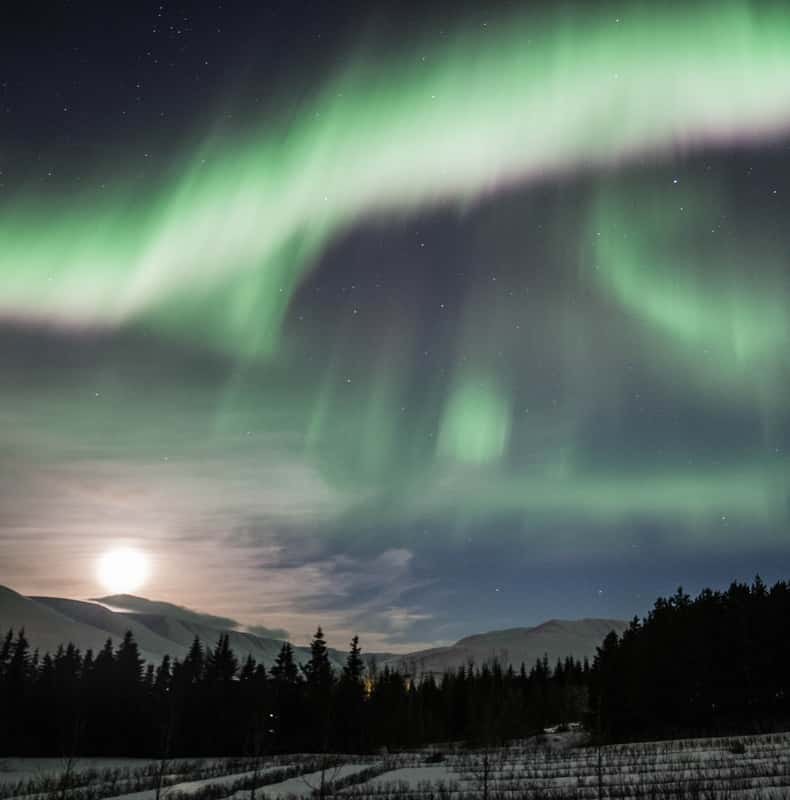
Three hours in a climate-controlled van with a local guide and pickup at select hotels. If cloud hides the lights, a second attempt the next night.
From $113 per person
Check Availability